
Should You Buy Ice Skates or Keep Renting? A Practical Guide for Beginners
There's a moment when many new ice skaters start wondering whether they should buy their own skates.
Maybe the rental boots hurt. Maybe you're tired of standing in line for the right size. Or perhaps you've discovered you enjoy skating enough to make it a regular activity.
Buying your own pair sounds like the obvious next step. But it isn't always the best decision, especially if you skate only during the holidays.
Before spending money, consider how often you'll actually skate, what your rink charges for rentals, and whether owning skates will make your experience better.
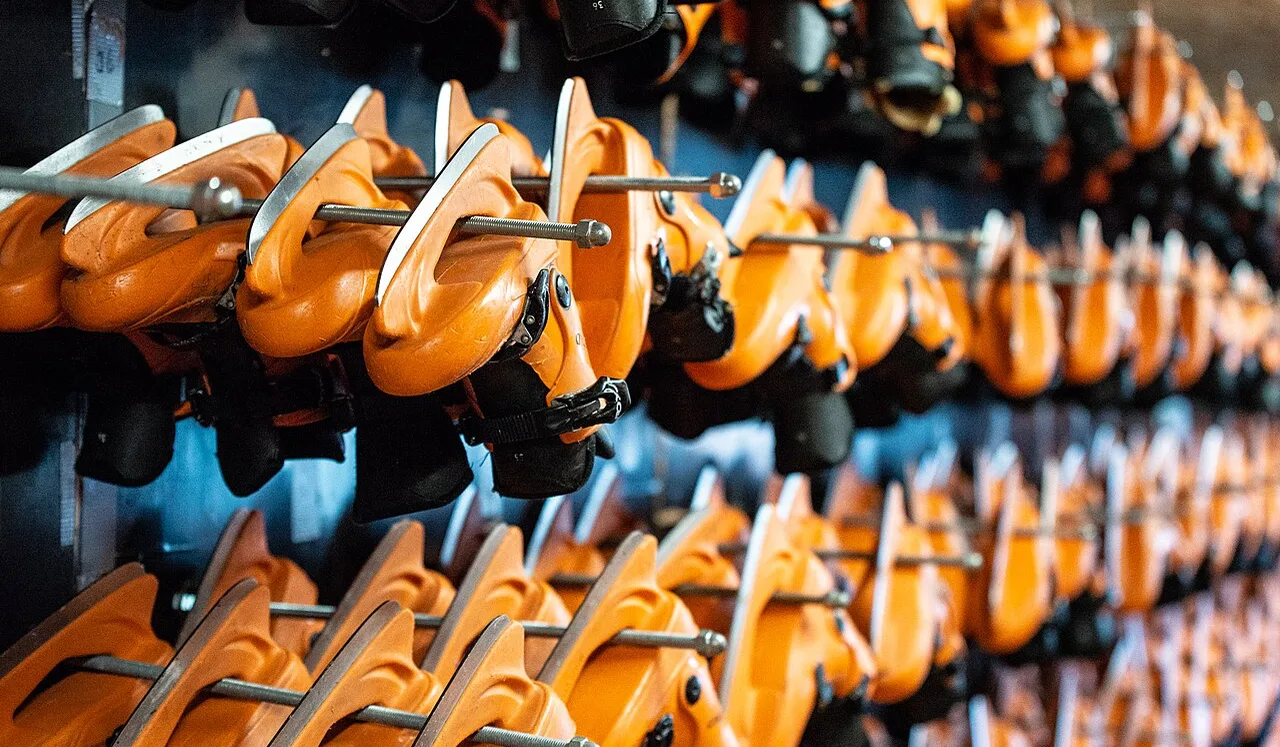

The first question: How often will you really skate?
If you skate once or twice every winter, renting is usually the simplest option.
You don't need to worry about sharpening, equipment storage, or whether your boots will still fit next season. You arrive, collect your skates, enjoy your session, and return them.
Buying starts to make more sense when skating becomes a regular activity.
If you're taking weekly lessons, joining recreational hockey, or visiting your local rink frequently, having skates that fit consistently can make practice more comfortable and predictable.
But don't confuse wanting to skate more often with actually doing it. If you're still discovering whether you enjoy the activity, there's nothing wrong with renting for several sessions before making a purchase.
Renting versus buying: what does the math say?
Here's something many first-time buyers overlook: the money you save depends on what your local rink charges for rentals.
Some rinks charge a separate fee for skates. Others include them in the admission price, whether you use them or not.
Suppose you find a pair of recreational skates for $120 and pay $10 for an initial professional sharpening.
Your starting investment is $130.
If renting costs $5 every time you visit, you would need 26 skating sessions to equal that initial expense.
And that's before considering later sharpenings, blade guards, soakers, and other maintenance costs.
That example doesn't mean everyone should wait 26 visits before buying. Better-fitting equipment may be worth the investment much earlier.
It does mean that buying skates isn't automatically a money-saving decision.
When your own skates may not save you anything
Some holiday rinks charge the same skating admission whether you bring skates or use the rental pair included with the ticket.
In that situation, owning skates doesn't reduce your admission bill.
At other venues, bringing your own skates can eliminate a substantial rental fee.
Before buying, check the pricing policy at the rink you visit most often. Our holiday ice-skating cost comparison shows real examples of how differently U.S. rinks structure their admission and rental charges.
The strongest reason to buy may be comfort, not cost
Rental skates need to accommodate hundreds of different feet over their working lives.
The pair you receive might fit quite well. The next pair, even in the same marked size, could feel completely different.
Some rental skates are well-maintained and comfortable. Others may be heavily worn or offer less consistent support.
Your own pair gives you a more predictable fit each time you skate.
That's especially valuable when you're trying to learn how to balance, glide, turn, and stop. Consistency makes it easier to recognize whether a problem comes from your technique or your equipment.
But ownership only helps when the skates fit correctly.
A poorly fitted pair you purchased can be worse than a well-fitting rental pair.
If you're buying your first skates, have them fitted by someone familiar with the type of skating you intend to do.
Should children have their own skates?
Children complicate the calculation because their feet grow.
A pair that fits well in November may not fit properly the following winter.
For a child who skates a handful of times each season, rentals may be the economical choice.
A child enrolled in regular skating lessons, however, may benefit from having the same properly fitted skates each week.
Avoid buying skates several sizes too large just to make them last longer. Excessive movement inside the boot makes it harder to control the blade and can cause discomfort.
If purchasing, ask a qualified fitter about current sizing, support, and how much growing room is appropriate for the specific model.
And remember that children don't all progress at the same pace. A child developing figure-skating or hockey skills may eventually need more specialized equipment than a basic recreational model.
Should beginners buy figure skates or hockey skates?
Neither type is automatically better for every beginner.
Figure skates have a longer blade shape and a toe pick at the front. Hockey skates use a different blade profile and are designed for hockey-style movement.
Both can be used for recreational skating, but they feel different underfoot.
If you plan to take figure-skating lessons, ask your instructor what kind of boot and blade are appropriate.
If your goal is recreational hockey, get fitted for equipment intended for that sport.
If you simply want to skate with friends, comfort, support, and proper fit should matter more than the appearance of the boot.
Trying rental versions of both styles, where available, can help you understand which feels more natural.
The responsibility that comes with owning skates
Rental equipment is maintained by the operator. When you own your skates, maintenance becomes your responsibility.
After every skating session, the blades need to be dried thoroughly. Hard plastic guards protect the blades when you're walking off the ice, while soft blade covers help protect them during transport after drying.
The skates should be removed from their bag at home so moisture can evaporate.
You'll also need professional sharpening from time to time. The interval depends on how often you skate, the condition of the ice, and how the blades feel.
Our skate-sharpening and blade-care guide explains how to recognize dull edges, what sharpening costs, and how to keep blades from rusting.
None of these tasks is particularly complicated, but they are additional responsibilities and expenses that renters don't normally have.
Three situations where the decision becomes easier
You skate a few times during the holidays. Keep renting unless rental equipment consistently prevents you from enjoying the outing. The convenience of returning the skates after each session may outweigh the advantages of ownership.
You're taking lessons every week. Consider purchasing properly fitted skates. Using consistent equipment can make learning more comfortable, even if you haven't reached the financial break-even point.
You already skate regularly and struggle with rental fit. Owning a suitable pair becomes increasingly attractive. The improvement in comfort and consistency may matter more than the amount saved on rental fees.
So, is buying ice skates worth it?
For occasional holiday skating, renting is often the sensible choice.
For someone who plans to skate regularly, buying can be a worthwhile investment in comfort, consistency, and long-term enjoyment.
You don't have to make that decision before your first visit. Rent a few times, learn what comfortable skates feel like, and pay attention to how often you return.
The right time to buy is when owning skates solves a real problem for you—not simply when you decide you like the idea of having your own pair.
Related reading
- How should rental ice skates fit?
- How much does holiday ice skating cost?
- Ice skate sharpening and blade care